Thanksgiving is one of our favorite times of the year. Families gather, traditions are celebrated, and tables are filled with turkey, dressing, sweet potatoes, pumpkin pie and the foods that bring back memories of holidays past. But somewhere between preparing the perfect meal, enjoying a second helping and settling in for an afternoon of relaxation, we can lose sight of what Thanksgiving is really about.
It's about connection. It's about joy. It's about gratitude. And it's about celebrating the gift of life.
As physicians, we've spent years helping people understand that health is much more than the absence of disease. True health is having the strength to embrace the people you love, the energy to pursue your passions, the mental clarity to remain engaged in life and the ability to wake up each morning with a sense of purpose.
This is what we mean when we talk about authentic longevity. And Thanksgiving offers a wonderful opportunity to put that philosophy into practice. Rather than approaching the holiday with restrictive diets, unrealistic expectations or guilt over enjoying your favorite foods, we encourage you to consider five ways to nourish your body, strengthen your relationships and feed your soul.
Nourish Your Body Without Punishing Yourself
Let's begin with something important: You can enjoy Thanksgiving dinner without compromising your commitment to healthy living. One meal does not determine your metabolic future. The habits you practice consistently throughout the year matter far more than a single holiday celebration. However, that doesn't mean we should abandon intentional eating.
We encourage our patients to think about food as information. What we eat influences blood sugar, insulin responses, energy availability and metabolic function. The goal isn't to fear food or remove the pleasure from eating. It's to understand how our choices affect the body. Thanksgiving turkey is an excellent source of high-quality protein, which supports muscle maintenance, satiety and healthy aging. Pairing protein with colorful vegetables and other nutrient-rich foods can help create a more balanced holiday meal.
We also recommend avoiding the temptation to skip breakfast in anticipation of a large dinner. Arriving at the table excessively hungry can make it more difficult to eat mindfully and recognize when you've had enough.
Instead, begin the day with a protein-rich breakfast, stay hydrated and approach your Thanksgiving meal with intention. Choose the traditional dishes you genuinely enjoy rather than feeling obligated to sample everything simply because it's available. Eat slowly, appreciate the flavors and give your body time to recognize fullness.
And yes, if pumpkin pie is your favorite, enjoy some pumpkin pie!
Healthy eating should never become an exercise in punishment. Food is meant to nourish the body, but it is also part of our culture, our traditions and our enjoyment of life. The important thing is to maintain perspective. Enjoy the celebration, appreciate the experience and return to your usual healthy routines afterward.
Strengthen Your Relationships: Connection Is an Essential Part of Longevity
When discussing healthy aging, we frequently focus on nutrition, hormones, inflammation, metabolic function and exercise. But there's another powerful influence on long-term well-being that doesn't come in a supplement bottle or require a prescription. Human connection. Meaningful relationships are associated with better emotional well-being, improved physical health and greater longevity. The people we surround ourselves with can influence how we manage stress, navigate challenges and experience the world.
Thanksgiving provides an opportunity to invest in those relationships. Of course, family gatherings aren't always perfect. Unresolved disagreements, different opinions, and longstanding tensions can sometimes turn a holiday dinner into an uncomfortable experience.
Our advice is simple: Choose connection over conflict.
You don't have to agree with everyone to love them. You don't need to win every argument or correct every opinion expressed across the dinner table. Sometimes the healthiest thing we can do is listen. Ask an older family member to share a story from childhood. Give children your undivided attention. Put your phone away and engage in meaningful conversation. Express appreciation to the people who have supported you throughout the year. And remember those who may find Thanksgiving particularly difficult.
For someone experiencing loneliness, grief or isolation, the holidays can intensify feelings of sadness. A thoughtful phone call, an invitation to dinner or a simple act of kindness can make an enormous difference.
Relationships don't grow stronger simply because we spend time together. They grow stronger when we're intentional about how we spend that time.
Choose Joy Instead of Chasing Perfection
Somewhere along the way, Thanksgiving can become a production. The house must look perfect. The food must be prepared exactly right. Everyone must arrive on time, behave beautifully and enjoy themselves.
And when something inevitably goes wrong, the stress begins. But here's something worth remembering: Perfection is not a requirement for joy.
The turkey might be a little dry. Someone might arrive late. The kitchen may be a disaster by the time dinner is served. And someone will probably say something that makes everyone roll their eyes. That's life! Often, the imperfect moments become the stories we laugh about for years. We believe joy is something worth cultivating intentionally. While happiness can depend on circumstances, joy can exist even when life isn't unfolding exactly as planned.
Thanksgiving is a wonderful opportunity to embrace that distinction. Play a game with your family. Share a favorite memory. Turn on some music. Create a new tradition. Laugh at yourself when things don't go according to plan. Positive social experiences and laughter can help reduce perceived stress and contribute to emotional well-being. But cultivating joy doesn't mean pretending that everything is wonderful or ignoring the challenges we face. It means recognizing that meaningful moments can still exist in the middle of life's complications.
Don't become so focused on creating the perfect Thanksgiving that you forget to experience the one happening right in front of you. The memories you create will matter far more than whether every dish turned out exactly as planned.
Practice Gratitude and Recognize Life's Blessings
Of all the habits we encourage, gratitude may be one of the most meaningful. Gratitude changes our perspective. It helps shift our attention away from what we believe is missing and toward the blessings already present in our lives. Research suggests that gratitude practices may support psychological well-being, improve sleep quality and reduce perceived stress for some individuals. But for us, gratitude is also deeply spiritual.
We believe every day of life is a gift from God.
The ability to breathe, walk, think, love, serve others and experience another sunrise is something we should never take for granted. Yet how often do we wake up thinking immediately about everything we need to accomplish instead of appreciating the simple fact that we've been given another day? Thanksgiving invites us to reconsider that perspective. Think about the things that are easy to overlook: clean water, food, shelter, friendship, family, opportunities to learn and the ability to make a positive difference in someone else's life.
Not everyone has access to those blessings.
We encourage families to make gratitude an intentional part of their Thanksgiving celebration. Before dinner, invite everyone to share something meaningful for which they are thankful. Write a note to someone who has positively influenced your life. Express appreciation for your body's abilities rather than focusing exclusively on its imperfections. And consider finding an opportunity to help someone who may be less fortunate.
One of our favorite reminders comes from Scripture: “In every thing give thanks: for this is the will of God in Christ Jesus concerning you.” — 1 Thessalonians 5:18 (KJV)
There's an important distinction in that message. Giving thanks in difficult circumstances does not mean we must be thankful for the difficulties themselves. Gratitude doesn't require us to deny pain, dismiss hardship or pretend that life is always easy. It encourages us to recognize that even during challenging seasons, there may still be something meaningful to appreciate. And while Thanksgiving provides a natural opportunity for reflection, gratitude is a practice worth continuing throughout the year.
Keep Moving and Celebrate What Your Body Can Do
Thanksgiving doesn't have to mean spending the entire day sitting down. Movement is one of the most valuable habits we can develop for supporting metabolic health, maintaining muscle, improving insulin sensitivity and promoting healthy aging. And the good news is that physical activity doesn't require an expensive gym membership or an intense workout.
Take a walk with your family before dinner. Organize a friendly football game in the yard. Go hiking, dance in the kitchen while preparing the meal or help clean up afterward. Even small amounts of movement can contribute to a more active day. A short walk after eating can be particularly beneficial. Research suggests that light physical activity following a meal may help moderate the rise in blood glucose, especially after consuming carbohydrate-rich foods.
We often remind our patients that maintaining muscle is an essential component of longevity. Muscle supports glucose metabolism, physical strength, balance and functional independence. As we age, preserving muscle becomes increasingly important for maintaining the ability to perform everyday activities. The goal is not simply to live longer, but to remain physically capable of enjoying those additional years. Thanksgiving provides an opportunity to reinforce that message with the entire family.
Encourage children to spend time outdoors. Invite older relatives to participate in activities appropriate for their abilities. Take a relaxed walk together after the meal and enjoy the opportunity for conversation. Most importantly, don't view movement as punishment for what you've eaten. Exercise shouldn't be something we do because we feel guilty about enjoying Thanksgiving dinner. Movement is a celebration of what our bodies are capable of doing.
Bringing Authentic Longevity to the Thanksgiving Table
When we discuss authentic longevity, we're not simply talking about reaching a particular age. Living to 90, 100 or beyond means very little if we cannot enjoy the years we've been given. Our goal is to help people build lives that are physically capable, emotionally connected, mentally engaged and spiritually grounded.
Thanksgiving brings those principles together in a particularly meaningful way.
We can nourish our bodies with good food while enjoying cherished traditions. We can strengthen our relationships by listening more and arguing less. We can create joyful memories without demanding perfection.
We can practice gratitude for the blessings in our lives and celebrate our physical abilities through movement.
None of these habits requires a dramatic lifestyle transformation. They begin with simple, intentional choices.
This Thanksgiving, consider making a few commitments to yourself and the people you love.
Eat with intention rather than restriction or guilt. Prioritize protein and nourishing foods while enjoying your favorite holiday dishes. Stay hydrated and make time to move. Put away unnecessary distractions and be present with the people around you. Listen more. Laugh freely. Express appreciation. Extend kindness to someone who needs encouragement. And remember that health is not defined by what you do on one holiday. It is shaped by how you choose to live every day.
The Greatest Wealth Is a Life Well Lived
As we reflect on Thanksgiving, we want to leave you with one final thought. You can have the finest home, the most expensive car, the largest bank account and a table overflowing with food. But without health, love, peace, purpose and gratitude, what do you really have?
We've devoted our careers to helping people understand how to improve their health and extend their healthy years. Yet authentic longevity has never been simply about adding more birthdays to the calendar. It's about having the strength to embrace your grandchildren, the energy to pursue your dreams, the clarity to enjoy meaningful conversations and the wisdom to appreciate the blessings right in front of you.
This Thanksgiving, don't measure the success of your holiday by how perfectly you followed a diet, how elaborate the meal was or how much you accomplished. Measure it by the memories you created, the relationships you strengthened, the kindness you extended and the gratitude you expressed. Because the greatest Thanksgiving feast isn't simply the food on your table. It's the love around your table, the joy in your heart and the gratitude in your soul.
From our family to yours, we wish you a healthy, joyful and deeply blessed Thanksgiving. Happy Thanksgiving!
About Drs. Mark and Michele Sherwood
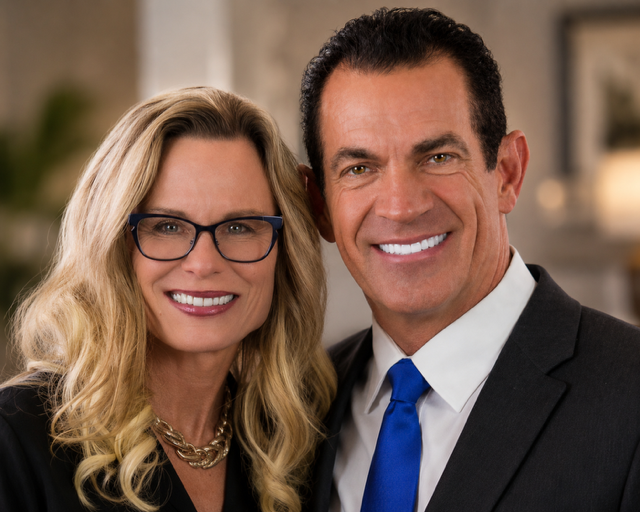
Dr. Mark Sherwood, ND, and Dr. Michele Sherwood, DO, are the founders of the Functional Medical Institute in Tulsa, Oklahoma, where they champion a proactive, whole-person approach to health, wellness, and longevity. Through their clinical work, books, films, and Authentic Longevity Podcast, the husband-and-wife team empowers individuals to take control of their health through informed lifestyle choices, nutrition, and sustainable wellness practices.
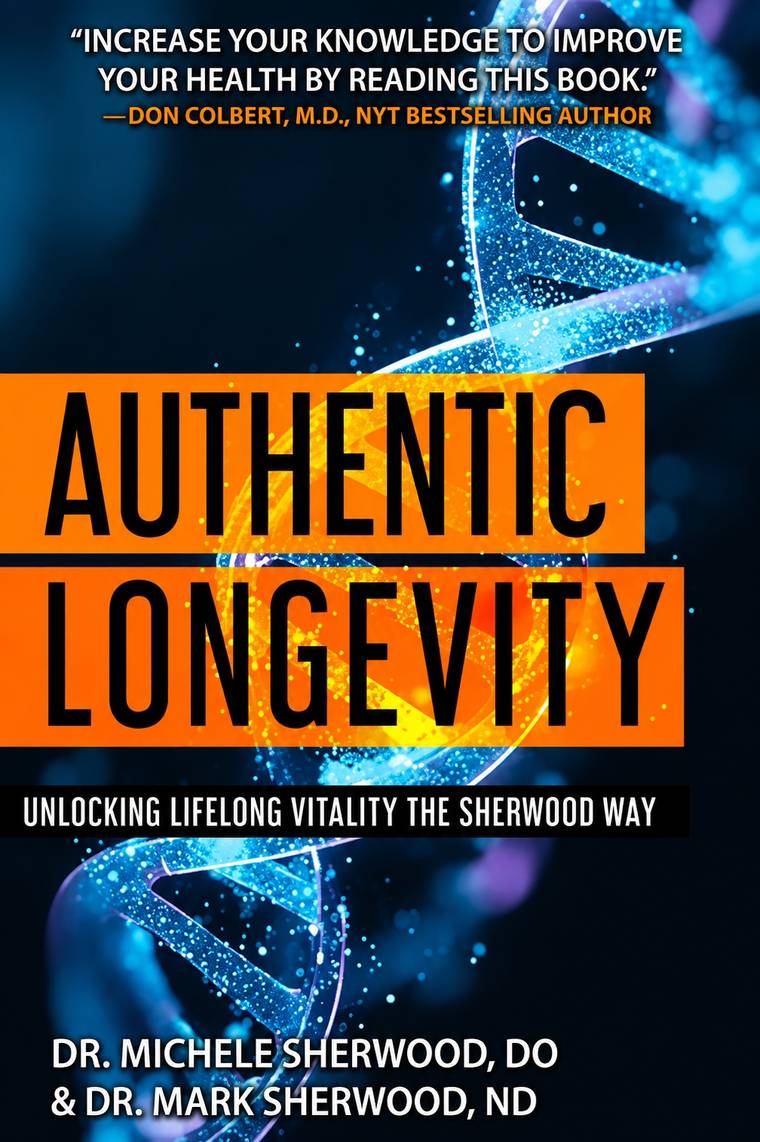
Their latest book, Authentic Longevity: Unlocking Lifelong Vitality, The Sherwood Way, explores their philosophy for achieving lasting vitality, offering practical insights into nutrition, physical health, emotional well-being, and the everyday choices that contribute to a healthier, more fulfilling life. Authentic Longevity: Unlocking Lifelong Vitality, The Sherwood Way is written by Dr. Mark Sherwood, ND, and Dr. Michele Sherwood, DO.
Find your copy HERE.