
 Credit: Slaven Vlasic/Getty Images for Jane Owen Public Relations
There is a version of the New York crime film we have all seen so many times it has become wallpaper. The choreographed violence. The operatic betrayal. The city rendered glamorous, its rot aestheticized into something almost enviable. George Zouvelos is not interested in that film.
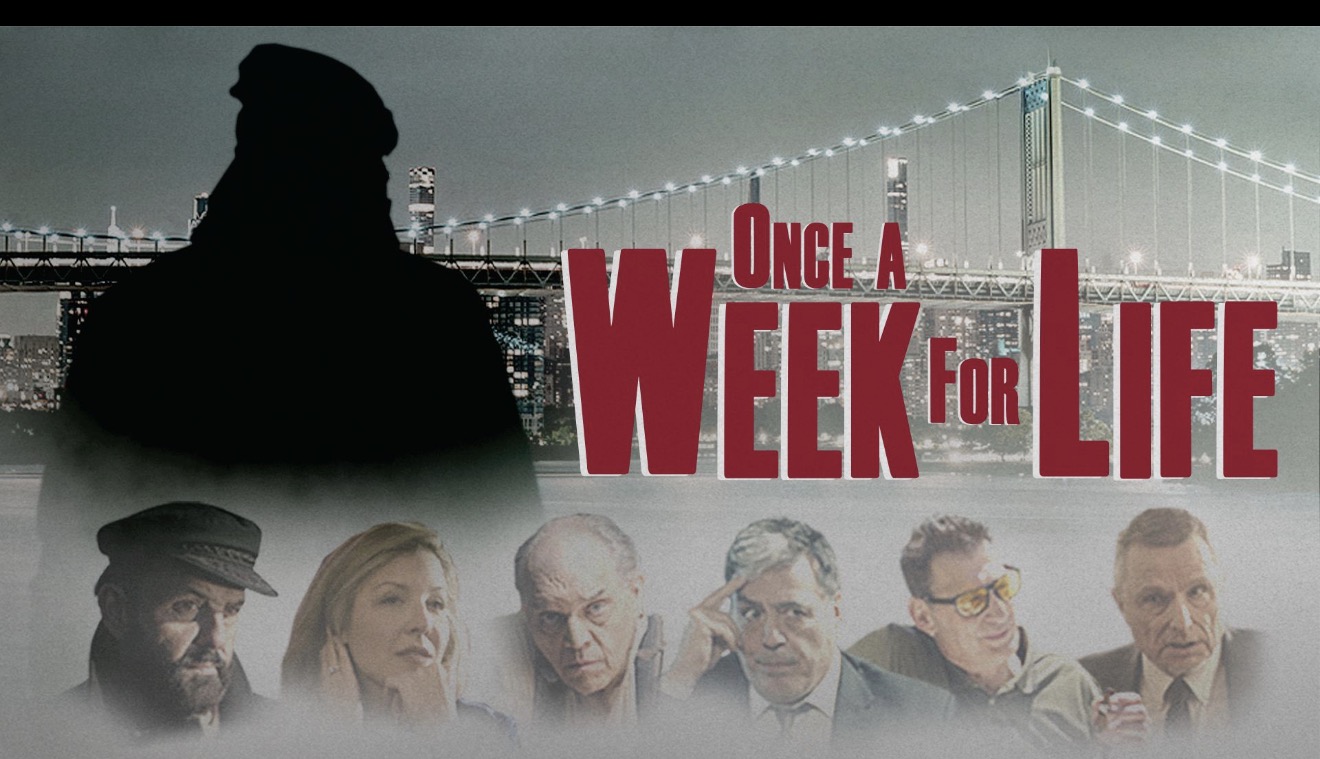
Once A Week For Life is his debut feature, and it announces itself early as something operating on a different frequency. Zouvelos directed, wrote, starred in, produced, and scored the thing entirely. That degree of control could easily tip into self-indulgence. Here it produces the opposite. What emerges is a film that knows exactly what it wants to say and refuses to say it any louder than necessary.
The story follows NYPD Lieutenant Adam Galanis as he navigates the slow collision of organized crime, City Hall corruption, and his own moral code. The tagline, "Justice Demands Blood," earns its weight. But what distinguishes the film is what Zouvelos chooses not to show. There are no spectacular set pieces that make violence look exciting. There are no easy villains telegraphing their menace from across the room. The corruption here is institutional, ambient, the kind that erodes a person from the inside over years rather than attacking all at once.
The visual language reinforces that deliberately. Zouvelos has described Adam as telling his story backwards, from inside an altered state. When we are inside Adam's perception, the image softens and loses its grip on the world. When the camera steps outside him, things sharpen. It is a formal choice that mirrors the film's core concern, which is how difficult it becomes to see clearly when you are the one being worn down.
Zouvelos spent years volunteering with an ambulance corps and working as a spokesperson for the Brooklyn District Attorney's Office before stepping in front of a camera. That biography is not just context. It is structurally present in every scene. The procedural textures feel earned rather than researched. Adam Galanis's fatigue feels inhabited rather than performed.
The film's Greek-American cultural grounding deepens that authenticity further. Family as moral foundation. Faith as something that neither rescues you from consequence nor abandons you to it. The weight of maintaining dignity in a world that keeps presenting surrender as pragmatism. These are not decorative flourishes. They are the architecture of who Adam actually is.
The ensemble draws from The Sopranos, The Departed, The Shape of Water, and Lost, and brings the kind of lived-in credibility no casting algorithm produces. These are performers who understand that the best crime drama is never really about crime. It is about what people do to keep themselves intact when the institutions built to protect integrity have become its primary threat.
Once A Week For Life was shot on the streets of New York City, not on a studio lot, and the decision is visible in ways that matter. The city is present not as a backdrop but as a condition, indifferent and perpetually in motion, utterly unbothered by one lieutenant's attempt to hold a line. Zouvelos has described the experience of capturing it as putting New York in a mason jar. You can see why. The film holds a particular, compressed version of the city, not its grandeur or its mythology but its specific quality of moral pressure.
This is not a film that wants you to feel good at the end. It wants you to feel true. That is a harder thing to pull off, and a rarer thing to find.
