
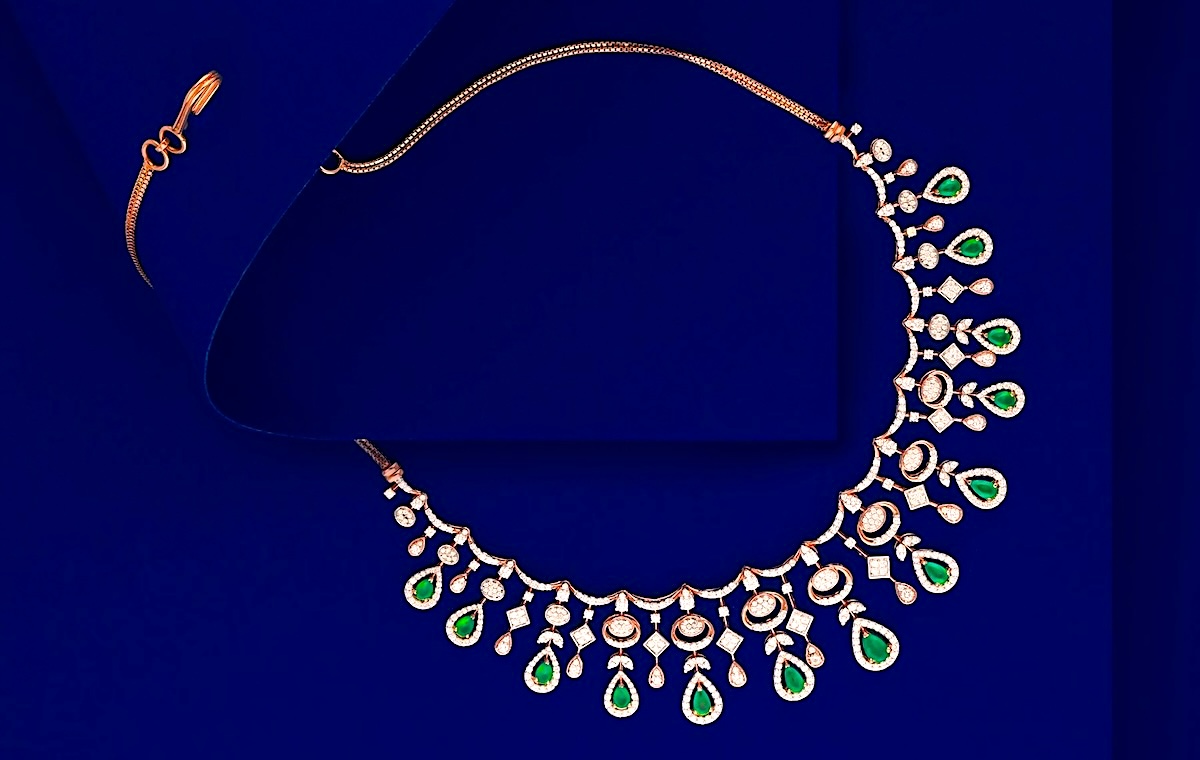
Palm Beach County is a treasure trove of antique, estate, and fine jewelry. From oceanfront estates in Palm Beach Island to family heirlooms passed down in Boca Raton, Wellington or Jupiter, many residents inherit pieces rich in history and value—think Victorian brooches, Art Deco diamond rings, signed Cartier clips, or classic Tiffany pendants. Selling them can feel overwhelming, especially when emotions run high and the stakes are financial.
A trusted Palm Beach jewelry buyer ensures you receive fair market value while handling your items with professionalism and discretion. But in an area known for luxury, not every “We Buy Gold” sign delivers expertise or honesty. Here’s a practical, step-by-step guide tailored to Palm Beach County’s luxury market to help you find the right partner.
Understand What You’re Selling (and Why Local Expertise Matters)
Before contacting any buyer, get a clear picture of your pieces. Antique jewelry typically dates before 1920 (Victorian, Edwardian, Art Nouveau). Estate jewelry refers to pre-owned fine pieces from any era, often from estates. Fine jewelry means high-quality materials like 18K gold, platinum, natural diamonds, or colored gemstones.
Palm Beach County’s affluent buyers prize signed designer pieces (Cartier, Van Cleef & Arpels, Harry Winston), period styles (Art Deco, Retro), and old European or mine-cut diamonds. Condition, hallmarks (“18K,” “PT950,” maker’s marks), original boxes, and certificates dramatically affect value—sometimes far beyond melt (scrap metal) price.
Never clean or repair items yourself—professional conservation can preserve or even increase value. Gather any paperwork, photos, and receipts now.
Start with an Independent Appraisal
Never rely solely on a buyer’s in-house evaluation for your first assessment. Hire a certified, independent appraiser who charges a flat fee (not a percentage of value) and has no stake in buying your jewelry.
Look for credentials from:
-
Gemological Institute of America (GIA) Graduate Gemologist (GG)
-
National Association of Jewelry Appraisers (NAJA)
-
American Gem Society (AGS)
-
International Society of Appraisers (ISA)
In Palm Beach County, search for NAJA or AGS members in West Palm Beach, Palm Beach Gardens, or Lake Worth. A thorough written appraisal (for insurance or sale) typically costs $100–$300 per piece and includes photos, descriptions, and current market comparables. This gives you a realistic baseline before negotiating.
Research and Vet Potential Buyers
Palm Beach County has dozens of options, but focus on those with proven track records in antique and estate pieces—not just scrap gold.
Key vetting criteria:
- Licensing and accreditation: Florida law requires secondhand dealers and precious metals buyers to register with the Florida Department of Revenue (Form DR-1S), undergo background checks, and maintain detailed records. Legitimate buyers will happily show their Certificate of Registration. Many also hold local occupational licenses and are BBB-accredited (look for A+ rating).
- Specialization and experience: Choose buyers with decades in fine/estate jewelry, not general pawn shops or pop-up gold buyers. Top local names often highlight GIA-trained staff and global networks for better payouts.
- Reviews and reputation: Check Google, Yelp, Trustpilot, and the Better Business Bureau. Look for consistent 4.5+ stars and comments about transparency, fair offers, and respectful handling of inherited items. Avoid businesses with unresolved complaints about lowballing or pressure tactics.
- Physical location and security: Reputable operations have brick-and-mortar stores (e.g., Worth Avenue in Palm Beach for high-end discretion) or professional offices. They offer private, appointment-only consultations in secure settings.
Local standouts worth considering (as examples of the caliber to seek):
- Specialists on Worth Avenue or in West Palm Beach known for antique and signed pieces with immediate payment and no-pressure service.
- Family-owned or long-established operations in Lake Worth, Jupiter, or Boca Raton that handle entire estates and beat competitor offers.
- Global buyers with Palm Beach offices that purchase vintage period jewelry from every era.
Shop around: Contact 2–3 options for free evaluations.
The Evaluation Process: What a Trusted Buyer Does
A professional jewelry buyer will:
- Schedule a no-obligation appointment (often same-week).
- Examine pieces under magnification, test metals/gemstones non-destructively, and research comparables.
- Explain their offer clearly—breakdown of melt value vs. collector premium.
- Offer immediate payment (check, wire, or cash) with no hidden fees.
For those visiting from New York, working with trusted jewelry buyers like Fabrikant & Miller treat sellers with confidentiality—especially important for estates or probate situations in Palm Beach County.
Questions to Ask Every Jewelry Buyer
Print this checklist and use it in the future:
- How do you determine value (market data, recent sales, or just weight)?
- What is your experience with antique/estate/signed pieces?
- Are your staff GIA-trained or members of NAJA/AGS?
- Do you buy outright, consign, or both?
- What documentation will I receive?
- How long have you been in business in Palm Beach County?
- Can you provide recent client references or testimonials?
A trusted buyer answers without hesitation and encourages comparison shopping.
Red Flags to Avoid
Walk away if you see any of these:
- Pressure to sell “today only” or “before the market drops.”
- Offers based solely on melt value for clearly fine or antique items.
- No physical storefront or reluctance to show credentials.
- Requests to mail items without insured shipping and tracking.
- Uncalibrated scales or refusal to let you watch the weighing/testing.
- Promises of “top dollar” with no explanation or comparables.
- Poor online reviews or BBB complaints.
You should avoid pawn shops and transient gold buyers, since they rarely maximize value on estate pieces. However, specialists do.
Prepare for the Sale and Consider Alternatives
Multiple offers: Always compare. Even a 10–20% difference on a $10,000 estate can be significant.
Taxes and legal notes: In South Florida, sellers generally don’t pay sales tax on the sale, but consult a tax advisor or estate attorney for large inheritances (step-up in basis may apply).
Alternatives if outright sale isn’t ideal:
- Consignment or auction: Local or regional auction houses (e.g., those handling Palm Beach estates) can net higher returns for rare pieces, minus 15–25% commission.
- Online platforms with local pickup: Some national services offer insured shipping and competitive bidding, but verify they have Florida presence.
- Private sale: Riskier—use only through trusted networks and meet in safe, public locations.
Independent appraisal in hand
- 2–3 vetted, licensed buyers contacted
- Questions asked and answered
- Offers compared side-by-side
- Payment method confirmed and documented
- Emotional readiness: Keep sentimental pieces if needed—selling the rest is practical, not disloyal.
Selling inherited or antique jewelry in Palm Beach County can be rewarding when done right. The county’s sophisticated market rewards thorough research with strong offers and respectful service. Take your time, trust your due diligence, and you’ll find a great jewelry buyer who honors both the pieces’ history and your peace of mind.
If you’re ready to start, begin with an independent NAJA or GIA appraiser and then reach out to 2–3 established local specialists. Your heirlooms deserve the best possible home—and you deserve the fairest price.
